
Emotional Regulation Mental Health Resources
Below are some self-help resources to learn more about yourself. This is a curated list developed over years of practice that continues to evolve. We are excited to share some of these resources with you.
Disclaimer: Please use these resources thoughtfully and with caution and discretion. These resources are general suggestions and not all may be helpful or applicable to you. Self-help resources and support groups are not a substitute for professional assessment and treatment. *We are not personally invested in, nor stand to profit from, any of the recommendations provided.

Helpful e-books, worksheets and guides
Download For Free!
Are you struggling with addiction triggers? You're not alone. Our comprehensive guide offers 12 powerful strategies for overcoming triggers to help you navigate the challenges of recovery and reclaim control of your life.
Are you feeling overwhelmed, scattered, or unfocused? Discover the secret to regaining control of your mind and boosting your productivity with our free downloadable guide: "Distraction Techniques: Your Path to Clarity and Calm."
Are you confused by the alphabet soup of therapist credentials? You're not alone. Our free guide, "Therapist Credentials 101," is here to help.
Are you feeling overwhelmed, stressed, or anxious? Take control of your well-being with 20 Quick Strategies to Settle Your Nervous System!
Are you ready to embark on a journey of self-discovery and personal growth? Our free ebook, "How to Journal: A Comprehensive Guide," is your ticket to unlocking the transformative power of journaling.
Discover the power of self-reflection with our carefully curated collection of journal prompts, designed to help you.
Are you struggling to prioritize yourself? Feeling overwhelmed and unsure how to take care of your own needs? It's time to transform your relationship with self-care. Introducing "A Guide To Self Care" by Paige Abbott, Registered Psychologist.
Discover the power of Emotional Intelligence (EQ) with our free ebook, "Building Emotional Intelligence."
Are you struggling with Obsessive-Compulsive Disorder? Take control of your life with our exclusive guide, "8 Expert Strategies for Managing OCD."
Emotional Regulation Resources
General
Brene Brownhas many amazing books on shame, resilience and vulnerability. ‘Atlas of the Heart’is an encyclopedia of emotions. Amazing! We’d encourage you to check out this and her other resources too
Christiane Wolf-Mindful Self-Compassion YouTube channel
‘Get Out of Your Mind and into Your Life Workbook’ by Steven Hayes
‘Feeling Good’ and ‘The Feeling Good Handbook’ by David Burns. These are classic resources connected to Cognitive-Behavioural therapy principles for those struggling with anxiety, depression, and other mental health symptoms.
‘The Unwanted Thoughts and Intense Emotions Workbook’ by Jon Hershfield and Blaise Aguirre
‘Stop Walking on Eggshells’ by Mason & Kreger for those supporting BPD in a loved one
Prioritizing Financial Self-Care Video by Dow Janes
Find these books and many others on our Sana Psyc Amazon Shop where 100% of the commissions go to support subsidized mental health care and local charities!
Apps
Insight Timer, Headspace, Calm, Healthy Minds, Five Minute Journal, Day One, 365 Gratitude, Gratitude, MoodTracker, Daylio, I Am, Finch, CBT Companion, DBT Coach, Resilify, Unwinding Anxiety, MindShift CBT, Mantra
From the Blog
As the vibrant colours of summer fade and the days become shorter, many people notice changes in their mood, energy, and overall mental well-being. If you've found yourself feeling more anxious, emotionally drained, and/or unmotivated as fall arrives, you're not alone.
For many individuals in Alberta, seasonal changes can significantly impact mental health. Whether you're experiencing mild "fall blues" or symptoms that interfere with your daily life, understanding what's happening is the first step toward feeling better. If you're searching for depression counselling Calgary, professional support can help you navigate seasonal mood changes and develop healthy coping strategies.

Supporting someone through a mental health challenge, chronic illness, injury, or major life transition can be one of the most meaningful roles we take on. When someone we care about is struggling, our natural instinct is often to help, protect, encourage, and sometimes even solve problems for them.
While support is essential, there is an important distinction between helping and over-functioning. At our codependency counselling Calgary practice, we often work with individuals who care deeply about others but find themselves emotionally exhausted, overwhelmed, or losing sight of their own needs in the process.
Being a true support person means showing up with compassion while maintaining healthy boundaries. It means offering care without taking responsibility for another person's healing journey. Whether your loved one is navigating depression, anxiety, trauma, chronic pain, cancer treatment, disability, addiction recovery, or another significant life challenge, healthy support benefits both of you.
Suicide prevention is a topic that affects every community, demographic, and individual. While conversations about suicide can feel uncomfortable, increasing awareness and understanding is one of the most important ways we can help prevent suicide and support those who may be struggling.
At our depression counselling Calgary practice, we believe that education, compassion, and connection can make a significant difference. Whether you are concerned about your own mental health or worried about someone you care about, knowing the warning signs and understanding how to respond can help save lives.
As summer winds down and school routines begin again, many families notice a big shift in emotions, energy, and stress levels. While some kids feel excited about seeing friends and starting fresh, others may experience anxiety, overwhelm, sadness, or behavioural changes as the school year approaches.
At many Child and Adolescent Psychology practices offering kids & teen counselling Calgary families trust, back-to-school season is one of the busiest times of the year. This transition period can bring academic pressure, social worries, changing routines, and emotional challenges for children and teens of all ages.
The good news is that with patience, preparation, and support, parents can help make the transition smoother and less stressful for everyone involved.
Most people worry about future events from time to time. Whether it is worrying about a new school year, a job interview, relationship challenges, health concerns, or major life transitions, the mind often tries to predict and prepare for potential problems before they happen. While this is an adaptive coping mechanism, in theory, to help us prepare for the future, it has a lot of downsides too; particularly leaving us feeling anxious and spending a lot of time focusing on things that we can’t do anything about. When these worries become persistent, overwhelming, or difficult to manage, it may be a sign of anticipatory anxiety.
At our practice offering anxiety counselling Calgary, we often support individuals who feel trapped in cycles of “what if” thinking and constant mental preparation for worst-case scenarios. The good news is that anticipatory anxiety is treatable, manageable, and something people can learn to navigate more effectively over time.
Summer is often portrayed as a carefree season but for many people, it can also bring a rise in emotional and behavioural vulnerabilities. As Calgary addiction counselling and mental health therapists, we regularly see how this time of year can intensify concerns related to body image, substance use, and the fear of missing out (FOMO), amongst other things including an increase in ADHD symptoms which we discussed in our last blog post.
With shifting routines, more social events, and increased exposure to appearance-focused messaging, summer can create pressure to “keep up” in ways that don’t always align with your well-being and current health priorities. In this blog, our Calgary Addiction Counselling Therapists explore how these challenges show up, share real-life inspired examples, and offer grounded strategies to help you navigate the season with yourself and healthy boundaries in mind.
Summer often brings a welcomed shift—longer days, more social opportunities, and a break from rigid routines. For some individuals living with ADHD, however, these seasonal changes can also disrupt structure, amplify symptoms, and make daily functioning more challenging. As ADHD counselling Calgary therapists, we often see how summer can subtly (or significantly) impact focus, emotional regulation, and overall well-being.
In this blog, our ADHD counselling Calgary therapists share insights on how summer affects ADHD symptoms, how to recognize changes in your functioning, and practical ways to support others and care for yourself during summer.

Boundaries are one of the most important—and often most misunderstood—parts of emotional and relational well-being. In therapy, conversations about boundaries come up every day, across all types of relationships. Our relationship and couples counselling Calgary AB therapists see these conversations the most, but they come up when exploring mental health connected to depression, anxiety, trauma, addiction, OCD, parenting, emotional regulation, chronic pain, and other parts of life. Whether it’s learning to say “no,” expressing a need, or navigating differences with others, boundaries play a central role in helping people feel respected, safe, and authentic.
If boundaries feel unfamiliar or uncomfortable, you’re not alone. Like any skill, they take time, practice, and compassion to develop.
Starting something new—especially something public—often comes with a mix of excitement and uncertainty. For us, creating a podcast had been on our minds for quite some time. We’ve always appreciated how accessible and meaningful podcasts can be, and we wanted to create something that reflects the heart of the work we do every day.
As a team committed to offering the best psychological services Calgary has to offer, we’re always looking for ways to extend support beyond the therapy room. A podcast felt like a natural next step. So how did we get there? Let’s explore the journey to date.
When most people think about seasonal changes and mental health, they associate winter with lower mood, fatigue, and seasonal depression. However, not everyone feels better when the weather warms and daylight increases.
For some individuals, the arrival of spring and summer brings heightened anxiety, agitation, sleep disruption, or emotional discomfort. This experience is often referred to as Reverse Seasonal Affective Disorder (Reverse SAD) or summer-pattern Seasonal Affective Disorder.
Although it receives less attention than winter depression, Reverse SAD can be equally challenging. Understanding why it occurs and learning practical coping strategies can help individuals manage seasonal anxiety more effectively.
Anxiety does not always look the way people expect. While some individuals experience anxiety that visibly disrupts their daily life, others continue to perform well at work, maintain relationships, and appear calm and capable—while internally feeling overwhelmed.
This experience is often described as high functioning anxiety. From the outside, someone may seem organized, productive, and successful. On the inside, however, they may be navigating constant worry, racing thoughts, pressure to perform, and difficulty relaxing.
In anxiety counselling Calgary, many clients share that they didn’t realize their experiences were related to anxiety because they were still “functioning.” Understanding high functioning anxiety can help individuals recognize patterns that may be affecting their mental health and learn strategies to support their well-being.

Spring is often associated with renewal, newness and freshness, including making space for what feels lighter and more supportive. This same principle can be applied to our relationships, suggests our couples counselling Calgary therapists. Over time, emotional buildup, unspoken expectations, and blurred boundaries can quietly strain even the most meaningful connections and add ‘clutter’ to our connections.
“Spring cleaning” your relationships doesn’t mean ending them or assigning blame. It means pausing to notice what feels heavy, understanding why, and making intentional adjustments that support your mental and emotional wellbeing. Below, our couples counselling Calgary therapists explore three common areas that often need attention: Resentment, overwhelm, and boundaries. We explore what these areas are, how they can create challenges and how to move them forward in healthy ways.
As the seasons change, many of us feel an instinctive pull to refresh our physical spaces—opening windows, clearing closets, and letting in more light. But spring cleaning doesn’t have to stop at our homes. This season also offers a powerful opportunity to gently declutter emotionally, creating more room for ease, resilience, and nervous system regulation.
Emotional decluttering isn’t about forcing positivity or bypassing difficult feelings. Instead, it’s about noticing what you’re carrying, understanding how it affects your inner world, and intentionally releasing what no longer supports your wellbeing. Our anxiety counselling Calgary therapists delve deeper into this topic of emotional decluttering, nervous system regulation, and what this practice can look like.
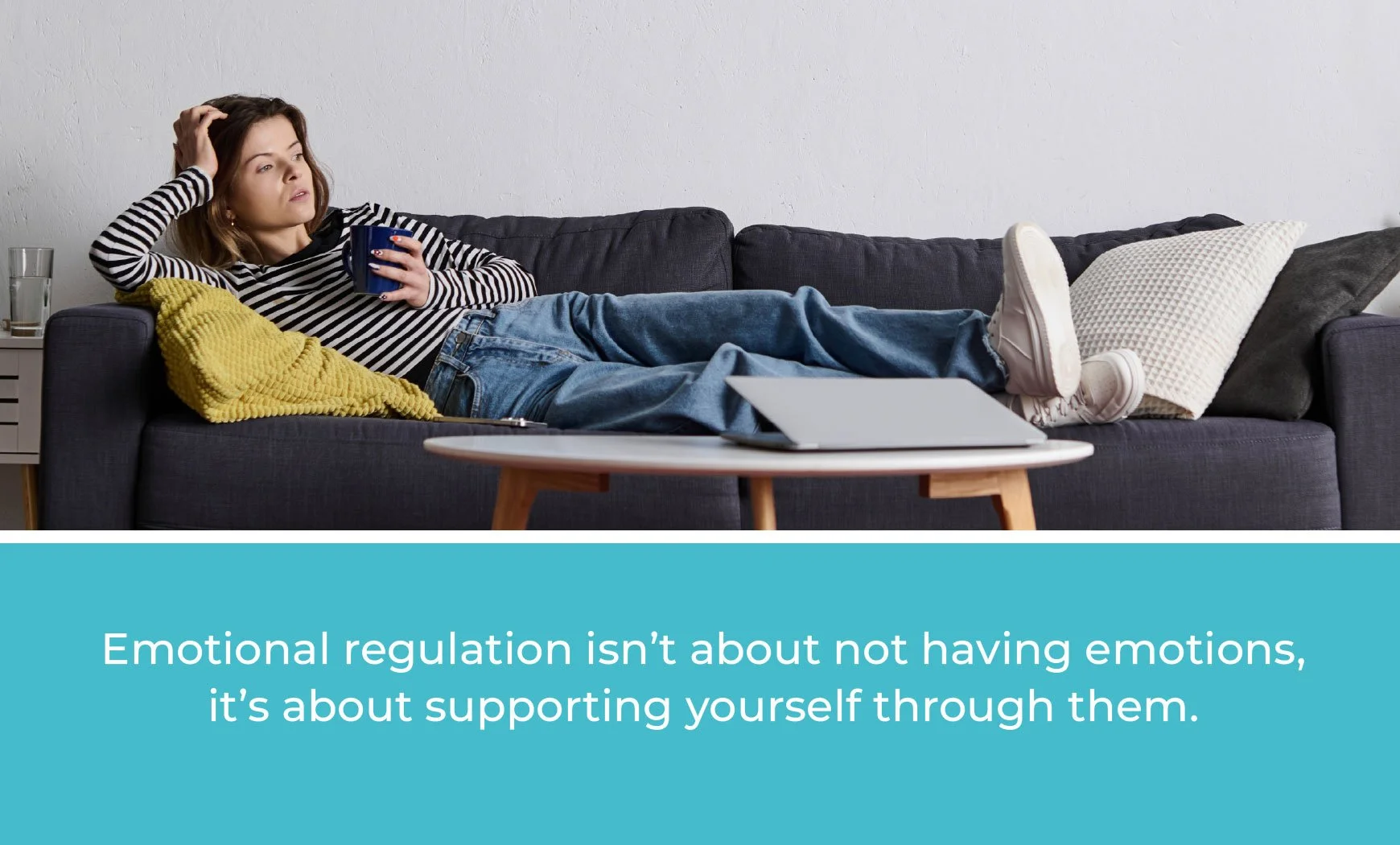
Emotions are a natural and essential part of being human—but when they feel overwhelming, unpredictable, or intense, they can interfere with daily life, relationships, and mental health. Many people seeking depression counselling in Calgary tell us they were never taught how to manage emotions, only that they should “calm down” or “get over it.” Even our therapists themselves have childhood memories of being told not to be upset, to suck up tears, or to go to our rooms until we felt better. These messages, whether direct or indirect, teach us that emotions are scary and to be avoided, repressed and suppressed at all costs.
Unfortunately, our depression counselling Calgary therapists see everyday how this does not serve or benefit people. Avoidance of emotions can lead to a variety of outcomes, including escape with substance use or other unhelpful behaviours, anger outbursts, self-injury/self-harm, suicidal ideation, depression, anxiety, difficulty processing disturbing events, conflict in relationships, dissatisfying relationships, and more.
Dialectical Behaviour Therapy (DBT) offers practical, evidence-based skills that help people understand, regulate, and respond to emotions more effectively. Below, we explore what emotional regulation is, why it can be challenging, and how DBT skills can support lasting change.
Recovery isn’t a single moment; it’s a daily practice of choosing healing over habits that no longer serve you. Whether you’re newly sober or have been on your recovery journey for years, the process can feel both empowering and overwhelming.

The holiday season is often painted as a magical time—full of love, connection, and joy. While that can be true, it’s also a time when many people feel emotionally stretched, overcommitted, and overwhelmed.
One powerful tool for preserving your peace during the holidays? Boundaries.
Whether you're dealing with complicated family dynamics, packed schedules, or your own emotional needs, setting boundaries is a key part of making the season sustainable—and even enjoyable.
In this blog, our codependency counselling Calgary therapists will break down:
What boundaries are
Why they can be hard to maintain during the holidays
Practical tips to help you set and honor them
The holiday season is often viewed as a time for celebration, family gatherings, and joyous festivities. For many, these moments come with social drinking, whether at family dinners, office parties, or holiday get-togethers. For those who are sober—whether by choice, in recovery, or for any other reason—the holidays can present unique challenges. The pressure to participate in alcohol-fueled traditions, the emotional strain of family dynamics, and the desire to feel included can make the season feel overwhelming.
Our Calgary addiction counselling therapists know that navigating the holidays sober isn’t only possible, it can also be incredibly fulfilling. In this blog post, our alcohol counselling Calgary therapists will explore why someone might choose to stay sober during the holidays, the challenges they may face, and offer practical tips for staying grounded and enjoying the season.

Most of us will experience stressful or painful events in our lives but, sometimes, those events overwhelm our ability to cope, leaving lasting effects on our mind, body, and emotions. This is trauma. Trauma isn’t just what happened to you—it’s also how your body and nervous system responded in order to survive.
While many people are able to heal with time, support, and self-care, others may notice ongoing symptoms that interfere with daily life. If that’s the case, professional counselling can make a world of difference. In this blog, our trauma counselling Calgary therapists explore symptoms of trauma, when to seek out counselling, and what trauma counselling is like, among other things.

We often hear people say, “I’m such a perfectionist”—sometimes with pride, sometimes with exhaustion. On the surface, perfectionism might sound like a drive for excellence, but in reality it’s often a heavy burden and can add a lot of stress and anxiety to people’s lives. Instead of motivating growth, it can trap us in cycles of self-criticism, procrastination, and burnout- issues our anxiety counselling Calgary therapists see often.
Let’s break down what perfectionism really is, where it often comes from, and some practical ways to loosen its grip, based on suggestions from our experienced anxiety counselling Calgary therapists.
Dopamine is often referred to as the brain's “feel-good” chemical—but it’s much more than that. It's a neurotransmitter that plays a crucial role in motivation, focus, pleasure, and even movement. Whether you’re chasing a goal, enjoying a delicious meal, or simply checking a task off your to-do list, dopamine is involved.

Chronic pain is a condition that affects millions of people worldwide, often invisibly while people suffer in silence. While it’s often associated with physical discomfort, the effects of chronic pain and illness extend far beyond the body. For many, chronic pain is not just a physical ailment, but a complex condition that can deeply influence their mental health, relationships, work, sense of meaning and purpose, productivity, and overall well-being. Understanding chronic pain, how it impacts mental health, and developing healthy coping strategies is crucial for anyone living with this condition. Our team who provide some of the best psychological services in Calgary, AB offer their experiences and tips to help you live your best life. These suggestions come from a personal and professional place (as therapists are not immune to being human too!).
Attachment Styles have been all the buzz in the realm of self-help and psychology over the past few years. It’s always interesting when older theories become new and popular again.
In this blog, we will explore more about attachment, specifically focusing on how to build secure attachment. A lot of people exploring attachment tend to get stuck in the problem, rather than looking towards the future of healthy relationships. Attachment, while rooted in our early childhood experiences, can change as we experience different types of relationships.

We’ve all done it. A rough day, a stressful week, and suddenly the glow of your screen or a trip to the mall feels like the answer. A little "treat yourself" moment can be harmless—maybe even helpful. But what happens when the occasional pick-me-up turns into compulsive buying?
In this blog, our experienced addiction counselling Calgary therapists explore the difference between retail therapy and spending addiction and how to recognize when your shopping habits might be taking a toll on your mental, emotional, and/or financial health. In this digital age, access to online shopping has increased and led to increased access to this type of addictive behaviour.
Body-Focused Repetitive Behaviors (BFRBs) are a group of behaviors that involve repetitive, impulsive actions that cause physical damage or discomfort. These behaviors are often unconscious and individuals who engage in them might not realize what they’re doing until damage is already caused. For example, someone may have pulled out a patch of hair on their scalp before becoming aware that they were pulling. While BFRBs are common, they are not always well understood and many people may feel isolated or ashamed about their behaviors. Even in seeking therapy, people may not feel well supported so it is important to find a practitioner who is well-versed in these behaviours who can help you bring forward change. The good news is that with proper understanding and treatment, BFRBs can be managed well and quality of life can be improved.
Have you ever been told to “Just calm down”? Isn’t this the most infuriating thing in the world? Of course if you could calm down, you would have! Sometimes a feeling of calm feels impossible to access and leaves one feeling uptight, frustrated, and alone. In this article, our trauma counselling Calgary therapists share a broad array of techniques that you can start using today for short- and long-term relief of anxiety symptoms connected to traumatic experiences.

Introversion and anxiety are two concepts and experiences that are often confused because they can manifest in similar behaviours, such as avoiding social situations or needing time alone. However, they stem from very different psychological roots and understanding the distinction is essential for personal insight and mental well-being. A lot of people confuse one with the other, as observed by our anxiety counselling Calgary therapists, which can have significant implications for treatment.

CBT. One of the gold-standard therapies that is used for a variety of mental health and addiction issues but what is it? When is it best used? How is it used? What will a person’s experience be like doing CBT therapy? These are all great questions and ones that our anxiety counselling Calgary therapists, who all incorporate CBT into their practice on a daily basis, are happy to address.

Boundaries. A bit of a buzzword in the psychological and personal development community, but the hype is for a reason. Boundaries are essential for healthy relationships and mental health. They keep us safe, focused, and prioritizing what matters most to us. Visit one of our past popular blog posts, ‘Boundaries: An Inside Job’ to learn more about what boundaries are.
The transition from childhood to teenage years is no easy thing and comes with associated interpersonal, physical, and emotional upheaval. Many youth feel they have the support to navigate this successfully, but up to 25% feel that their mental health experience has changed since 2019 and has been impacted not by normal teenage development, but also by COVID.
Most mental health issues begin to present and can be diagnosed in those ages 14-25. This means that teen years and early adulthood are key times to prioritize self-care and mental health. In this article, our depression counselling Calgary therapists who specialize in working with youth (those age 15-24) provide some guidance and suggestions for supporting yourself and/or your youth if you are a parent.
What comes to mind when you think about parenting? For some people, they envision their own childhood and the associated memories and experiences. For others, they are filled with memories of what they have already gone through as parents-the joys and challenges. For others, they immediately feel anxiety and are filled with concern because they are currently navigating some tougher times with their child(ren).
Emotional Regulation Experts At SanaPsyc

Currently Accepting New Clients for Trauma, Perfectionism, Self-Esteem and more for youth 15+ and adults

Currently Accepting New Clients for couples & relationship work, as well as kids, youth and adults navigating anxiety, depression, caregiving, BFRBs, and more or you are looking for hypnotherapy

Currently Accepting New Clients for Couples and Youth 12+ and Adults navigating chronic pain, medical trauma, anxiety, esteem, and more

Currently Accepting New Clients for Youth 15+ and Adults navigating grief, depression, anxiety, self-esteem, perfectionism and more.

Currently Accepting New Clients for kids, youth and adults navigating crises, addiction, relationship challenges, health issues, and more

Current wait list for new clients. Please add yourself through Jane or contact megan@sanapsychological.com

Current wait list for new clients. Please add yourself through Jane or contact paige@sanapsychological.com
 Amanda Nelson
Amanda is passionate about growth, big-picture ideas, and putting together strategic marketing plans for businesses that want to scale.
Amanda’s philosophy is to love what you do, to never say no to new opportunities without hearing them first, and to treat others as she would like to be treated.
She is forward-thinking and intuitive when it comes to what a business needs to level up its marketing game. Amanda is a single mother to a spunky boy, she is obsessed with plants (210+ houseplants), and loves relaxing at home after a fulfilling day of work.