
What Is Emotional Burnout According to the Best Psychological Services Calgary Therapists
Emotional burnout describes a state of emotional and mental exhaustion that can develop when stress and emotional demands continue for an extended period without enough opportunity for recovery.
You may spend your days caring for others, managing family responsibilities, supporting a partner or friend, navigating conflict, dealing with major life changes, or simply trying to keep up with everything on your plate.
Over time, continually giving your emotional energy without having opportunities to rest and recharge can leave you feeling depleted.
Emotional burnout isn't a mental health diagnosis on its own. Rather, it can describe an experience that may overlap with chronic stress, anxiety, depression, compassion fatigue, or other mental health concerns.
The Centre for Addiction and Mental Health (CAMH) notes that prolonged stress can affect emotional, cognitive, physical, and behavioural functioning.
Emotional Burnout vs. Workplace Burnout
Workplace burnout is specifically associated with chronic, unmanaged stress related to one's occupation. The American Psychological Association describes workplace burnout in terms of emotional exhaustion, psychological distance or negativity toward work, and reduced feelings of effectiveness at work.
Emotional burnout can be broader.
For example, someone might experience emotional burnout because they are:
Constantly caring for a family member
Supporting a loved one through a difficult period (for more information about how to be a true support person while reducing burnout, visit one of our more recent past blog posts)
Managing ongoing relationship conflict (for more on how to navigate conflict and resentment in relationships, visit this post)
Feeling responsible for everyone else's needs
Navigating grief or a major life transition
Dealing with prolonged personal stress
Struggling to maintain boundaries
Continually putting their own needs last
Work can certainly contribute to emotional exhaustion, but emotional burnout can continue even when you leave the workplace.
This distinction can be particularly important for people looking for Best Psychological Services Calgary Therapists because the source of exhaustion may not be obvious. You might have a manageable workload but still feel completely emotionally depleted. Our therapists see this everyday and are happy to report that healing and recovery are very much possible.
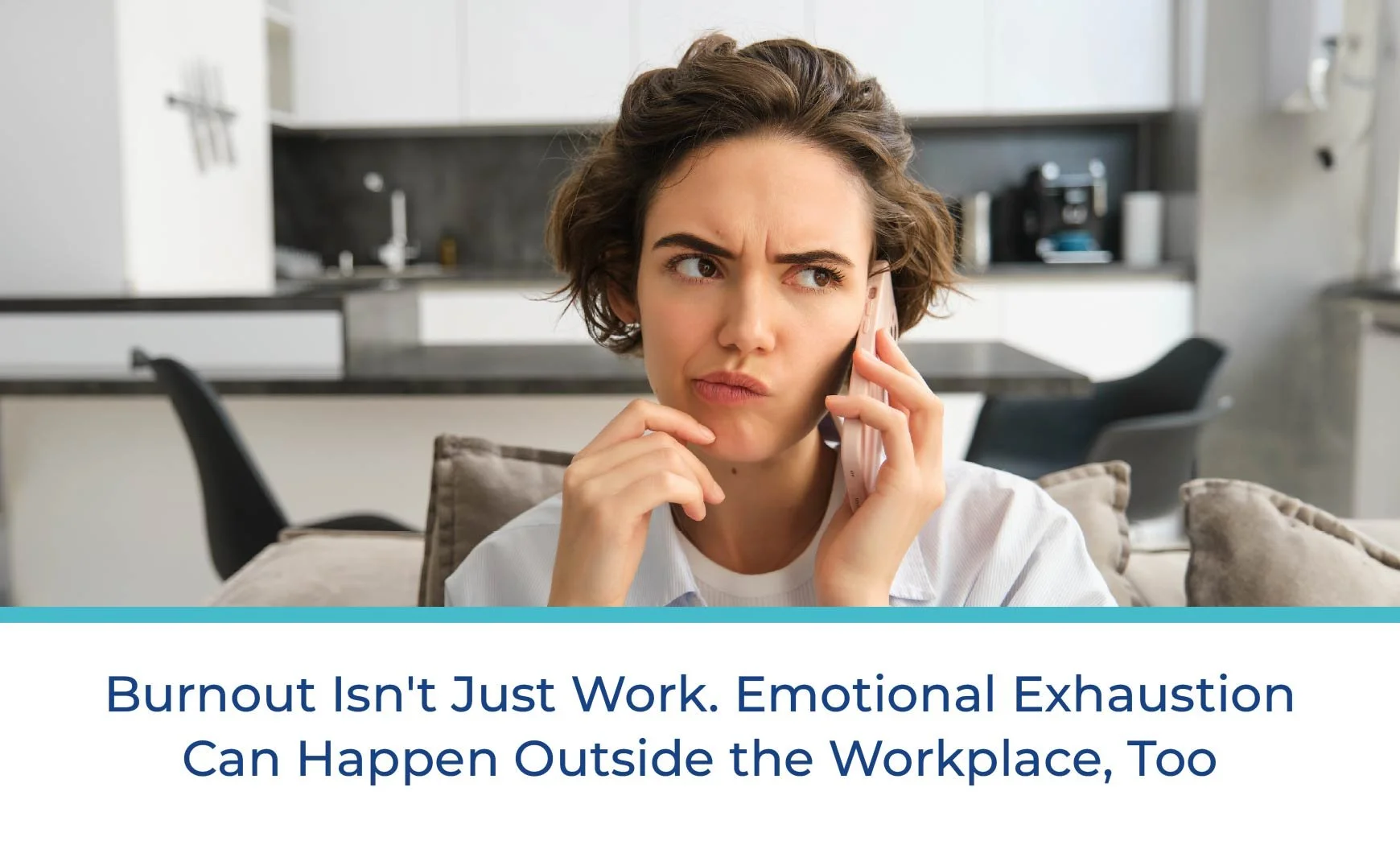
What Does Emotional Burnout Feel Like? Our Best Psychological Services Calgary Therapists Provide More Info
Burnout doesn't look exactly the same for everyone. Some people become withdrawn and disconnected, while others become more irritable, anxious, or overwhelmed.
Signs of emotional burnout may include:
Emotional symptoms
Feeling emotionally exhausted or "empty"
Increased irritability or frustration
Feeling overwhelmed by relatively small demands
Feeling detached or numb
Reduced enjoyment of things you normally like
Feeling helpless or hopeless
Increased sensitivity to stress
Feeling like you have nothing left to give
Cognitive symptoms
Difficulty concentrating
Forgetfulness
Difficulty making decisions
Racing or repetitive thoughts
Feeling mentally "foggy"
Constantly thinking about responsibilities or problems
Physical symptoms
Persistent tiredness
Headaches or muscle tension
Changes in sleep
Changes in appetite
Feeling physically run down
Difficulty relaxing
Behavioural and social symptoms
Withdrawing from friends or family
Avoiding responsibilities
Having less patience with others
Neglecting your own needs
Using alcohol or other substances more frequently to cope
Finding it difficult to maintain normal routines
Many of these symptoms can also occur with chronic stress, anxiety, depression, or other conditions. That's one reason it can be helpful to speak with a qualified professional rather than trying to determine the cause on your own.
CAMH provides additional information about the emotional, physical, cognitive, and behavioural effects of prolonged stress in its Stress: Signs, Symptoms and Treatment resource.
Why Boundaries Matter According to the Best Psychological Services Calgary Therapists
One of the most useful places to begin when addressing emotional burnout is with your boundaries.
If you are constantly saying yes when you want to say no, taking responsibility for other people's emotions, or making yourself available whenever someone needs you, your emotional resources may have little opportunity to recover.
Healthy boundaries don't mean that you stop caring about other people. They mean recognizing that your time, attention, energy, and emotional capacity are limited.
You might begin by asking:
What am I currently saying yes to that I don't actually have the capacity for?
Which responsibilities genuinely belong to me vs. to the other person?
Where and when do I need more time to rest?
What situations consistently leave me feeling emotionally depleted?
What would a reasonable boundary look like in my current circumstances?
For people exploring Best Psychological Services Calgary Therapists, therapy can also provide a supportive environment for identifying patterns that contribute to burnout and practicing healthier ways of communicating needs and boundaries.
Self-Help Tools for Emotional Burnout From Best Psychological Services Calgary Therapists
You don't necessarily need to make dramatic changes all at once. Small, consistent changes can help create increased capacity for recovery.
1. Identify what's draining you
Take a few minutes to write down the people, responsibilities, situations, and habits that are currently consuming the most emotional energy.
Then ask yourself which items you can change, reduce, delegate, postpone, or accept as outside of your control.
2. Build intentional recovery time
Rest isn't only something you earn after completing everything on your list.
Schedule small periods of time where you aren't responsible for solving problems, responding to messages, or taking care of someone else.
This could mean taking a walk, reading, spending quiet time alone, engaging in a hobby, or simply allowing yourself to do nothing.
3. Practice saying no
If saying "no" feels uncomfortable, start small.
You don't have to provide a lengthy explanation. A simple "I don't have the capacity for that right now" can be enough.
4. Reconnect with supportive people
Burnout can encourage isolation, but social connection can be an important source of support.
Consider reaching out to someone you trust and letting them know how you're doing rather than waiting until you feel completely overwhelmed.
5. Pay attention to basic needs
Sleep, regular meals, movement, and time away from screens or other demands can all support your ability to manage stress.
Our best psychological services Calgary therapists recommend strategies including physical activity, prioritizing leisure, healthy sleep habits, social support, and seeking professional assistance when stress becomes difficult to manage.
6. Use grounding or mindfulness exercises
When emotions feel overwhelming, grounding can help bring your attention back to the present moment.
CAMH offers self-management and grounding resources, including exercises for managing heightened emotions and stress.
We would also invite you to check out our ‘20 Quick Strategies to Settle Your Nervous System’ resource to help with this too. These strategies pull in somatic and polyvagal principles to support quicker settling of our system with minimal effort.

When Should You Seek Professional Support? Our Best Psychological Services Calgary Therapists Share Their Thoughts
You don't have to wait until you're completely overwhelmed before reaching out for help.
Consider speaking with a psychologist, therapist, or other qualified mental health professional if:
Your symptoms are persistent or getting worse
Burnout is interfering with work, school, relationships, or daily responsibilities
You feel increasingly isolated or disconnected
You're experiencing significant anxiety or low mood
Your sleep or appetite has changed substantially
Self-care strategies aren't making enough of a difference
You feel unable to manage your responsibilities
You're relying increasingly on alcohol or other substances to cope
You aren't sure whether you're experiencing burnout, anxiety, depression, or something else
We recommend seeking professional support when stress persists for a prolonged period, affects functioning, or is accompanied by increasing emotional difficulties.
For those searching for Best Psychological Services Calgary Therapists, connecting with a mental health professional can provide an opportunity to explore what's contributing to your burnout and develop strategies that are specific to your circumstances.
Therapy can be particularly helpful when burnout is connected to longstanding patterns such as difficulty setting boundaries, perfectionism, people-pleasing, relationship stress, caregiving responsibilities, or difficulty prioritizing your own needs.
You Don't Have to Wait Until You're Running on Empty Say Our Best Psychological Services Calgary Therapists
Emotional burnout can be easy to overlook because there isn't always one obvious event that causes it. Instead, exhaustion can build gradually until you realize that you're struggling to cope with things that once felt manageable.
Recognizing the signs isn't a failure. It's information.
If you're experiencing emotional burnout, consider what your mind and body may be asking for: Less pressure, more rest, stronger boundaries, additional support, or simply permission to take care of yourself.
And if you've reached a point where managing things on your own feels difficult, professional support is available.
For individuals looking for Best Psychological Services Calgary Therapists, reaching out to a qualified mental health professional can be a meaningful step toward understanding your experience and finding a healthier way forward.
Additional Mental Health Resources Recommended by the Best Psychological Services Calgary
Centre for Addiction and Mental Health (CAMH) — Evidence-based information and mental health resources, including information about stress and burnout.
American Psychological Association – Workplace Burnout — Information about the definition and effects of workplace burnout.
CAMH Mental Health Toolkit — A collection of mental health tools and resources for different situations and levels of support.
Government of Canada – Mental Health Support — Information about mental health services and crisis resources across Canada.
Sana Psychological is a mental health practice with a passionate group of clinicians located in Calgary, Alberta, Canada. We offer support in a variety of areas of mental health, relationships, addiction recovery, and general wellness.