
Trauma Mental Health Resources

Below are some self-help resources to learn more about yourself. This is a curated list developed over years of practice that continues to evolve. We are excited to share some of these resources with you.
Disclaimer: Please use these resources thoughtfully and with caution and discretion. These resources are general suggestions and not all may be helpful or applicable to you. Self-help resources and support groups are not a substitute for professional assessment and treatment. *We are not personally invested in, nor stand to profit from, any of the recommendations provided.
Self-Check “Do I Need Trauma Counselling?” Quiz
We’ve developed a self-check quiz to help you decide if Trauma Counselling might be a good fit for you. (Just remember, it’s not a replacement for a professional diagnosis!)
Helpful e-books, worksheets and guides
FREE DOWNLOADS!



Trauma Mental Health Resources
-
‘Burnout: The Secret to Unlocking the Stress Cycle’ by Emily and Amelia Nagoski
‘Healing Trauma: A pioneering program for restoring the wisdom of your body’ by Peter Levine
‘It Didn’t Start With You’ by Mark Wolynn and corresponding workbook
Find these and other resource recommendations on our Sana Psyc Amazon Shop
-
Insight Timer, Headspace, Calm, Healthy Minds, Five Minute Journal, Day One, 365 Gratitude, Gratitude, MoodTracker, Daylio, I Am, Finch
Trauma Experts At SanaPsyc

Currently Accepting New Clients for Trauma, Perfectionism, Self-Esteem and more for youth 15+ and adults

Currently Accepting New Clients for Couples and Youth 12+ and Adults navigating chronic pain, medical trauma, anxiety, esteem, and more

Current wait list for new clients. Please add yourself through Jane or contact megan@sanapsychological.com
From the Blog

Supporting someone through a mental health challenge, chronic illness, injury, or major life transition can be one of the most meaningful roles we take on. When someone we care about is struggling, our natural instinct is often to help, protect, encourage, and sometimes even solve problems for them.
While support is essential, there is an important distinction between helping and over-functioning. At our codependency counselling Calgary practice, we often work with individuals who care deeply about others but find themselves emotionally exhausted, overwhelmed, or losing sight of their own needs in the process.
Being a true support person means showing up with compassion while maintaining healthy boundaries. It means offering care without taking responsibility for another person's healing journey. Whether your loved one is navigating depression, anxiety, trauma, chronic pain, cancer treatment, disability, addiction recovery, or another significant life challenge, healthy support benefits both of you.
Suicide prevention is a topic that affects every community, demographic, and individual. While conversations about suicide can feel uncomfortable, increasing awareness and understanding is one of the most important ways we can help prevent suicide and support those who may be struggling.
At our depression counselling Calgary practice, we believe that education, compassion, and connection can make a significant difference. Whether you are concerned about your own mental health or worried about someone you care about, knowing the warning signs and understanding how to respond can help save lives.
Most people worry about future events from time to time. Whether it is worrying about a new school year, a job interview, relationship challenges, health concerns, or major life transitions, the mind often tries to predict and prepare for potential problems before they happen. While this is an adaptive coping mechanism, in theory, to help us prepare for the future, it has a lot of downsides too; particularly leaving us feeling anxious and spending a lot of time focusing on things that we can’t do anything about. When these worries become persistent, overwhelming, or difficult to manage, it may be a sign of anticipatory anxiety.
At our practice offering anxiety counselling Calgary, we often support individuals who feel trapped in cycles of “what if” thinking and constant mental preparation for worst-case scenarios. The good news is that anticipatory anxiety is treatable, manageable, and something people can learn to navigate more effectively over time.

Boundaries are one of the most important—and often most misunderstood—parts of emotional and relational well-being. In therapy, conversations about boundaries come up every day, across all types of relationships. Our relationship and couples counselling Calgary AB therapists see these conversations the most, but they come up when exploring mental health connected to depression, anxiety, trauma, addiction, OCD, parenting, emotional regulation, chronic pain, and other parts of life. Whether it’s learning to say “no,” expressing a need, or navigating differences with others, boundaries play a central role in helping people feel respected, safe, and authentic.
If boundaries feel unfamiliar or uncomfortable, you’re not alone. Like any skill, they take time, practice, and compassion to develop.
Starting something new—especially something public—often comes with a mix of excitement and uncertainty. For us, creating a podcast had been on our minds for quite some time. We’ve always appreciated how accessible and meaningful podcasts can be, and we wanted to create something that reflects the heart of the work we do every day.
As a team committed to offering the best psychological services Calgary has to offer, we’re always looking for ways to extend support beyond the therapy room. A podcast felt like a natural next step. So how did we get there? Let’s explore the journey to date.
When most people think about seasonal changes and mental health, they associate winter with lower mood, fatigue, and seasonal depression. However, not everyone feels better when the weather warms and daylight increases.
For some individuals, the arrival of spring and summer brings heightened anxiety, agitation, sleep disruption, or emotional discomfort. This experience is often referred to as Reverse Seasonal Affective Disorder (Reverse SAD) or summer-pattern Seasonal Affective Disorder.
Although it receives less attention than winter depression, Reverse SAD can be equally challenging. Understanding why it occurs and learning practical coping strategies can help individuals manage seasonal anxiety more effectively.
Anxiety does not always look the way people expect. While some individuals experience anxiety that visibly disrupts their daily life, others continue to perform well at work, maintain relationships, and appear calm and capable—while internally feeling overwhelmed.
This experience is often described as high functioning anxiety. From the outside, someone may seem organized, productive, and successful. On the inside, however, they may be navigating constant worry, racing thoughts, pressure to perform, and difficulty relaxing.
In anxiety counselling Calgary, many clients share that they didn’t realize their experiences were related to anxiety because they were still “functioning.” Understanding high functioning anxiety can help individuals recognize patterns that may be affecting their mental health and learn strategies to support their well-being.
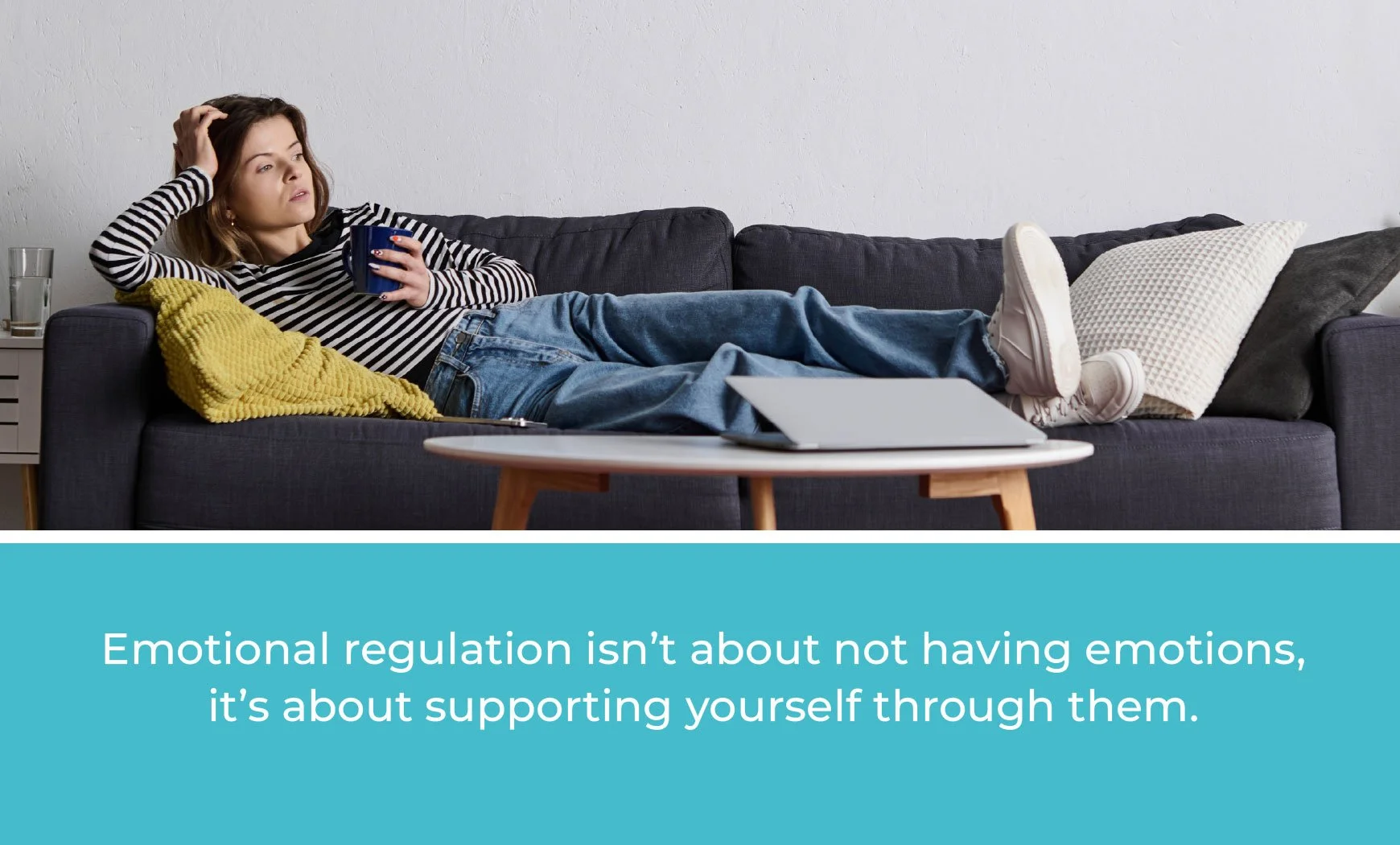
Emotions are a natural and essential part of being human—but when they feel overwhelming, unpredictable, or intense, they can interfere with daily life, relationships, and mental health. Many people seeking depression counselling in Calgary tell us they were never taught how to manage emotions, only that they should “calm down” or “get over it.” Even our therapists themselves have childhood memories of being told not to be upset, to suck up tears, or to go to our rooms until we felt better. These messages, whether direct or indirect, teach us that emotions are scary and to be avoided, repressed and suppressed at all costs.
Unfortunately, our depression counselling Calgary therapists see everyday how this does not serve or benefit people. Avoidance of emotions can lead to a variety of outcomes, including escape with substance use or other unhelpful behaviours, anger outbursts, self-injury/self-harm, suicidal ideation, depression, anxiety, difficulty processing disturbing events, conflict in relationships, dissatisfying relationships, and more.
Dialectical Behaviour Therapy (DBT) offers practical, evidence-based skills that help people understand, regulate, and respond to emotions more effectively. Below, we explore what emotional regulation is, why it can be challenging, and how DBT skills can support lasting change.

Self-injury can be frightening to witness and confusing to understand. For concerned loved ones, questions often come up quickly: Why is this happening? What should I say? How do I help without making things worse? We are here to help provide some guidance and clarity.
As therapists providing depression counselling in Calgary, we work with youth, adults and families navigating these concerns every day. This guide is meant to increase understanding, reduce stigma, and outline compassionate, evidence-based paths toward healing.

Eating disorders are not about food alone. They are about the complex relationship between mind, body, emotions, and self-worth. There can be a genetic as well as environmental and trauma component, which makes them have complicated roots.

Most of us will experience stressful or painful events in our lives but, sometimes, those events overwhelm our ability to cope, leaving lasting effects on our mind, body, and emotions. This is trauma. Trauma isn’t just what happened to you—it’s also how your body and nervous system responded in order to survive.
While many people are able to heal with time, support, and self-care, others may notice ongoing symptoms that interfere with daily life. If that’s the case, professional counselling can make a world of difference. In this blog, our trauma counselling Calgary therapists explore symptoms of trauma, when to seek out counselling, and what trauma counselling is like, among other things.

We often hear people say, “I’m such a perfectionist”—sometimes with pride, sometimes with exhaustion. On the surface, perfectionism might sound like a drive for excellence, but in reality it’s often a heavy burden and can add a lot of stress and anxiety to people’s lives. Instead of motivating growth, it can trap us in cycles of self-criticism, procrastination, and burnout- issues our anxiety counselling Calgary therapists see often.
Let’s break down what perfectionism really is, where it often comes from, and some practical ways to loosen its grip, based on suggestions from our experienced anxiety counselling Calgary therapists.

Chronic pain is a condition that affects millions of people worldwide, often invisibly while people suffer in silence. While it’s often associated with physical discomfort, the effects of chronic pain and illness extend far beyond the body. For many, chronic pain is not just a physical ailment, but a complex condition that can deeply influence their mental health, relationships, work, sense of meaning and purpose, productivity, and overall well-being. Understanding chronic pain, how it impacts mental health, and developing healthy coping strategies is crucial for anyone living with this condition. Our team who provide some of the best psychological services in Calgary, AB offer their experiences and tips to help you live your best life. These suggestions come from a personal and professional place (as therapists are not immune to being human too!).
Attachment Styles have been all the buzz in the realm of self-help and psychology over the past few years. It’s always interesting when older theories become new and popular again.
In this blog, we will explore more about attachment, specifically focusing on how to build secure attachment. A lot of people exploring attachment tend to get stuck in the problem, rather than looking towards the future of healthy relationships. Attachment, while rooted in our early childhood experiences, can change as we experience different types of relationships.
Body-Focused Repetitive Behaviors (BFRBs) are a group of behaviors that involve repetitive, impulsive actions that cause physical damage or discomfort. These behaviors are often unconscious and individuals who engage in them might not realize what they’re doing until damage is already caused. For example, someone may have pulled out a patch of hair on their scalp before becoming aware that they were pulling. While BFRBs are common, they are not always well understood and many people may feel isolated or ashamed about their behaviors. Even in seeking therapy, people may not feel well supported so it is important to find a practitioner who is well-versed in these behaviours who can help you bring forward change. The good news is that with proper understanding and treatment, BFRBs can be managed well and quality of life can be improved.
Have you ever been told to “Just calm down”? Isn’t this the most infuriating thing in the world? Of course if you could calm down, you would have! Sometimes a feeling of calm feels impossible to access and leaves one feeling uptight, frustrated, and alone. In this article, our trauma counselling Calgary therapists share a broad array of techniques that you can start using today for short- and long-term relief of anxiety symptoms connected to traumatic experiences.

CBT. One of the gold-standard therapies that is used for a variety of mental health and addiction issues but what is it? When is it best used? How is it used? What will a person’s experience be like doing CBT therapy? These are all great questions and ones that our anxiety counselling Calgary therapists, who all incorporate CBT into their practice on a daily basis, are happy to address.

Boundaries. A bit of a buzzword in the psychological and personal development community, but the hype is for a reason. Boundaries are essential for healthy relationships and mental health. They keep us safe, focused, and prioritizing what matters most to us. Visit one of our past popular blog posts, ‘Boundaries: An Inside Job’ to learn more about what boundaries are.

Sleep plays a pivotal role in the regulation of all of our systems, including those that support our mental health. Did you know that people who have insomnia are 10 and 17 times more likely than those without to experience clinically significant levels of depression and anxiety, respectively? This shows the importance that sleep has on emotional regulation, coping, and healthy living.

Our journey to supporting individuals and families living with chronic pain and/or navigating medical trauma began personally before it became professional. The therapists on our team who work within the areas of medical trauma and chronic pain counselling Calgary have a strong passion rooted in some of their own life experiences that prompted them to incorporate this into their careers

In honour of National PTSD Awareness Day on June 27, 2024, I decided to sit down with Jasleen Bhatoa, Registered Provisional Psychologist in the province of Alberta, to talk more about trauma counselling methods.
Jasleen provides trauma counselling in Calgary and Alberta for people struggling with nightmares, flashbacks, anxiety, phobias and impairment in functioning due to their experience(s) with a traumatic event.

Trauma healing is possible. Even if you have been dealing with the symptoms of trauma for decades, there is always hope and possibility for change. Struggling with the impact of trauma and deciding to seek out counselling support is a huge step in and of itself. Once you begin looking, many people are overwhelmed by the plethora of providers and types of therapies available. In this blog post, we are happy to provide an overview of some of the most common treatments out there right now to help you make a decision about the next steps.

 Amanda Nelson
Amanda is passionate about growth, big-picture ideas, and putting together strategic marketing plans for businesses that want to scale.
Amanda’s philosophy is to love what you do, to never say no to new opportunities without hearing them first, and to treat others as she would like to be treated.
She is forward-thinking and intuitive when it comes to what a business needs to level up its marketing game. Amanda is a single mother to a spunky boy, she is obsessed with plants (210+ houseplants), and loves relaxing at home after a fulfilling day of work.